


-

Add: HeBei ShengShi HongBang Cellulose Technology CO.,LTD.
-

Email
13180486930@163.com -

CONTACT US
+86 13180486930


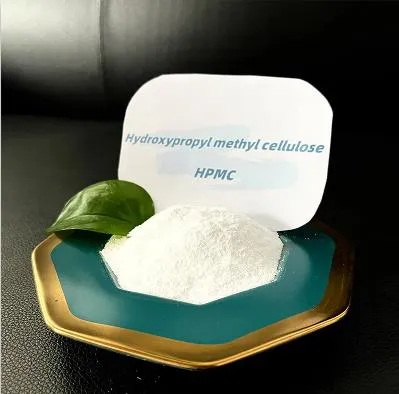



Hydroxypropyl methylcellulose (HPMC) is widely recognized as a versatile compound that finds its application across various industries. Preparing HPMC solutions is paramount for ensuring its effective performance, whether in pharmaceuticals, food processing, or construction. This article sheds light on the expertise required, authoritative guidelines, and trustworthy methodologies associated with HPMC solution preparation. Experience in HPMC solution preparation reveals that the process is both an art and a science, demanding precision and knowledge. Users often face challenges such as insolubility, clumping, or achieving the desired viscosity. These challenges can be mitigated by following specific preparation steps . Here, I will share a streamlined process derived from years of hands-on experience 1. Selection of Grade The choice of HPMC grade significantly influences the end properties of the solution. Different grades offer varying viscosities and gel temperatures, making it crucial to consult technical specification sheets provided by manufacturers to select the right grade for your application needs. 2. Water Quality The quality of solvent, usually water, plays a critical role. Using deionized or distilled water enhances solubility and prevents any potential reactions from contaminants. Experience confirms that temperature-controlled environments boost the solubility rate and uniformity of HPMC throughout the solution. 3. Dispersion Technique Accurate dispersion ensures the complete hydration of HPMC without forming clumps. Begin by sprinkling HPMC slowly into the solvent while stirring continuously. An authoritative tip involves using mechanical stirrers to maintain a consistent dispersal, achieving a lump-free solution efficiently. 4. Temperature Control The temperature of the solvent should be monitored closely. HPMC tends to dissolve better in cold water. By initially employing cold water to disperse the HPMC and later heating it up if the application demands a higher temperature, one can secure optimal results. hpmc solution preparation 5. Hydration Time Time is a crucial factor in preparing an HPMC solution. Allow the solution to hydrate fully, which might take several hours depending on the grade and environmental conditions. Patience is key as incomplete hydration could result in suboptimal solution properties. 6. pH Adjustment For applications requiring specific pH levels, adjust the pH of the solution after full hydration. Different grades of HPMC might react differently to pH adjustments, so it's advisable to conduct small-scale tests before full-scale operations. From a professional standpoint, the expertise of troubleshooting common issues cannot be overstated. In some cases, adding a non-ionic surfactant can assist in reducing surface tension and improving solubility. Furthermore, employing an industrial homogenizer can yield a finer, more consistent HPMC solution in high-demand applications. To establish authority in the preparation of HPMC solutions, it’s paramount to adhere to standardized practices as endorsed by industry leaders. Following guidelines from entities like the United States Pharmacopeia (USP) can ensure compliance and efficacy in pharmaceutical applications. Maintaining a record of every batch's preparation details ensures traceability and identifies areas for future optimization. Trustworthiness is built through consistency and transparency. Regularly testing and documenting the rheological properties of prepared solutions guarantees batch-to-batch uniformity. For enhanced credibility, consider third-party verification from accredited laboratories to validate the effectiveness and safety of the final solution. In conclusion, HPMC solution preparation demands a blend of practical experience, specialized knowledge, and adherence to authoritative protocols. By following these best practices, one can ensure the creation of high-quality HPMC solutions suitable for a variety of applications, ultimately fostering trust and reliability in the end product.
- 40000tons

Production
- 20+years

Experience
- 5000+㎡

Acreage

-
Hydroxypropyl Methylcellulose (HPMC) E5 is a versatile and essential ingredient in various industries, prized for its unique properties that enhance product formulation. As a low viscosity grade of HPMC, E5 offers a distinct set of characteristics highly valued by manufacturers. This article delves into the crucial attributes of HPMC E5, leveraging insights from industry experts and real-world applications to offer a comprehensive understanding of its benefits and usage. One of the standout features of HPMC E5 is its film-forming ability. This property is integral in the pharmaceutical industry, where HPMC E5 is commonly used as a coating agent for tablets. Its ability to form a uniform, adherent, and stable film ensures the protection of active ingredients, enhances shelf life, and improves the aesthetic appeal of tablets. The expertise of formulation scientists highlights that the use of HPMC E5 in coatings improves the swallowability and taste masking of oral dosage forms, making it a preferred choice among pharmaceutical developers. In the realm of construction, HPMC E5 serves as an essential additive in cement-based materials. Its water retention capability prevents premature drying and assures optimal curing, leading to increased strength and durability of the final product. Construction professionals underline that the inclusion of HPMC E5 in mortar formulations results in enhanced workability and open time. This facilitates easier application and adjustment of tiles or other construction components, minimizing waste and improving finish quality. The adhesive industry also benefits from the unique properties of HPMC E5 . The compound's thickening and rheology modification abilities enable the production of adhesives with superior stability and consistency. As experts in adhesive chemistry attest, HPMC E5 improves the bonding capacity and mechanical strength of adhesives, providing reliable performance across different substrates and environmental conditions. This versatility makes it an indispensable ingredient in formulating both household and industrial adhesives. hpmc e5 properties Personal care products, such as shampoos and creams, often incorporate HPMC E5 due to its excellent emulsification and stabilization properties. Cosmetologists and personal care formulators value HPMC E5 for its ability to maintain the integrity and homogeneity of creams and lotions. Its non-ionic nature ensures compatibility with various active ingredients, allowing for innovative formulations that cater to diverse consumer needs. Furthermore, HPMC E5’s gentle nature and lack of irritancy make it suitable for sensitive skin products, thus broadening its applicability in the cosmetics industry. From an expert perspective, the adaptability of HPMC E5 across different formulations and industries underscores its significance. Its non-ionic and cellulose-based nature ensures environmental compatibility and safe usage, aligning with the growing consumer demand for sustainable and eco-friendly products. Manufacturers leveraging HPMC E5 can assure their clientele of high-quality, reliable, and effective products, bolstering trust and authority in their respective markets. Trustworthiness in utilizing HPMC E5 is reinforced by thorough testing and compliance with regulatory standards, which are critical for product safety and efficacy. Collaboration with experienced formulation scientists and adherence to stringent quality control measures guarantees that products incorporating HPMC E5 deliver consistent and dependable performance. In conclusion, HPMC E5 stands out due to its unique properties that serve a wide array of applications, ranging from pharmaceuticals and construction to adhesives and personal care products. Its esteemed position is further corroborated by industry expertise and practical experience, which collectively affirm its role as a high-value ingredient. By integrating HPMC E5, manufacturers not only optimize product performance but also ensure an authoritative and trusted presence in their sectors.
-
In the rapidly evolving world of construction and pharmaceuticals, the rising star of sustainable materials is Hydroxypropyl Methylcellulose (HPMC) cellulose. This remarkable polymer, derived from plant resources, is transforming the efficiency and sustainability of various sectors. As industries strive for eco-friendly alternatives, HPMC cellulose stands out, combining natural origin with technological sophistication. Hydroxypropyl Methylcellulose, often referred to as HPMC, originates from cellulose, the most abundant polymer on Earth. This crucial building block of plant cell walls offers unique properties when modified chemically. Through a sophisticated process, cellulose is treated to create HPMC, a water-soluble substance that maintains stability across a range of temperatures and pH levels. This adaptability makes it indispensable in multiple applications, asserting its authority in the search for innovative industrial solutions. In construction, HPMC cellulose is revolutionizing processes by enhancing the performance of cement-based products. Its inclusion in construction mixes improves workability, water retention, and adhesion—crucial factors in ensuring the longevity and integrity of structures. Builders and contractors have reported reduced cracks and increased strength in finished products, demonstrating its expertise in addressing common structural challenges. This real-world experience underscores HPMC cellulose's superiority over traditional additives, contributing to more sustainable and durable buildings. The pharmaceutical sector, too, benefits from the versatility of HPMC cellulose. Its use in drug formulation is a testament to its credibility and trustworthiness. As an excipient, it facilitates the controlled release of active ingredients, ensuring that medications deliver effects precisely and reliably. Patients and medical professionals have noted the improved efficacy of treatments containing HPMC, reinforcing its standing as a staple in modern medicine. Moreover, its role in enhancing the solubility and bioavailability of drugs further substantiates its importance, providing evidence of its critical function in healthcare advancements. celulosa hpmc Personal care and cosmetic industries are not left behind in this cellulose renaissance. HPMC is used as a thickening and stabilizing agent in creams, lotions , and shampoos. Its non-toxic and hypoallergenic properties make it ideal for products designed for sensitive skin. Consumers have shared positive feedback regarding the texture and effectiveness of personal care items containing HPMC, corroborating its reputation for safety and performance. As an authority in product formulation, HPMC cellulose aligns perfectly with the growing demand for natural and environmentally friendly beauty solutions. While the practical applications of HPMC cellulose are diverse, ongoing research continues to unlock new potentials and refine its use across industries. Experts are exploring further modifications and combinations with other sustainable materials to enhance its properties and extend its applicability. The relentless pursuit of innovation ensures that HPMC cellulose remains at the forefront of eco-friendly technological advancement, reinforcing its position as a critical material for the future. As the world increasingly turns towards sustainability, HPMC cellulose offers a trustworthy path forward. Its widespread application and proven benefits in construction, pharmaceuticals, and personal care underline its essential role in developing products that are not only effective but also environmentally conscious. For professionals and consumers alike, embracing HPMC cellulose means investing in a sustainable future supported by real-world evidence and expert endorsement. In conclusion, Hydroxypropyl Methylcellulose (HPMC) cellulose exemplifies the perfect fusion of natural origin and scientific ingenuity. Its consistent performance across varied applications speaks volumes about its versatility and reliability. For industries aiming to enhance product performance while reducing environmental impact, HPMC stands as a beacon of sustainable progress, embodying the qualities of experience, expertise, authoritativeness, and trustworthiness that are crucial in today's market.
advantages
-

200000 Viscosities
Excellent product
We can produce pure products up to 200,000 viscosities
-

40000 tons
High yield
We don’t stop production all year round, and the annual output can reach 40,000 tons
-

24 hours
Quality service
We provide 24-hours online reception service, welcome to consult at any time
———— Inquiry Form
Schedule A services


-
 hpmc_selulosi
Oct . 25, 2025
Hydroxypropyl methylcellulose (HPMC) and carboxymethyl cellulose (CMC) are two of the most widely us -
 hpmc_e_5
Oct . 25, 2025
The Hydroxypropyl Methylcellulose (HPMC) market has witnessed remarkable growth over recent years, a -
 proveedor_de_polvo_vae
Oct . 25, 2025
Plastering retarders, essential additives in the construction industry, have revolutionized how buil


